
DIY vs Professional Roof Cleaning: What Homeowners Need to Know
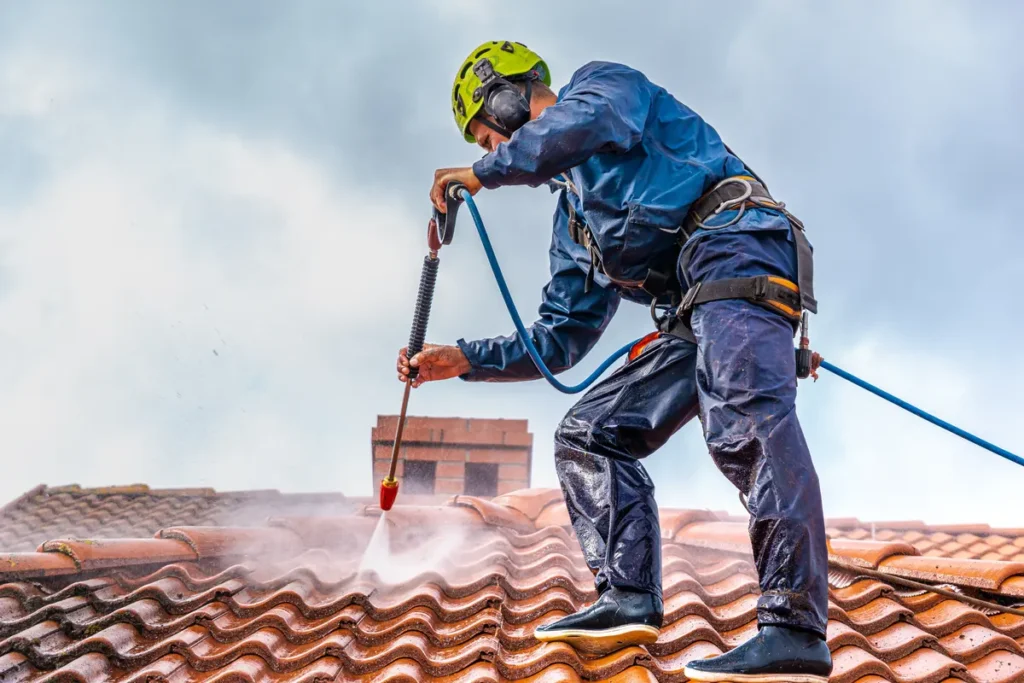
Standing on my ladder last spring, pressure washer in hand and a questionable amount of confidence in my abilities, I realised that roof cleaning isn’t quite the straightforward weekend project I’d imagined. The moss-covered tiles seemed to mock me from above, and my neighbour’s smirk wasn’t helping matters either. This moment of clarity — balanced precariously 15 feet off the ground — got me thinking about the eternal homeowner’s dilemma: when to tackle jobs yourself & when to call in the professionals.
Roof cleaning sits in that awkward middle ground between simple maintenance and complex renovation. It’s not changing a lightbulb, but it’s not rewiring your entire house either. The decision between DIY and professional cleaning involves more than just cost considerations; safety, effectiveness, and long-term consequences all play crucial roles in making the right choice for your home.
The True Cost of Going Solo
Let’s talk money first, because that’s usually what drives most of us toward the DIY route initially. On paper, cleaning your own roof seems like a brilliant way to save hundreds of pounds. You’ll need a pressure washer (£80-200 if you don’t own one), cleaning solution (£15-30), safety equipment including harness & ladder (£100-300), and perhaps a weekend of your time.
But here’s where things get interesting. I learned this the hard way when I cracked three tiles during my first attempt at moss removal. Replacement tiles cost me £45, plus the embarrassment of explaining to my wife why our living room ceiling was dripping. Hidden costs have a sneaky way of appearing: damaged gutters from improper technique, replacement plants killed by cleaning chemicals, or medical bills from accidents.
Professional services typically charge between £300-800 for an average UK home, depending on size and condition. Initially, this seems expensive compared to DIY costs. However, professionals bring their own equipment, insurance coverage, and crucially — expertise that prevents costly mistakes. They also often provide guarantees on their work, something your weekend warrior efforts can’t match.
Safety First, Pride Second
Working at height remains one of the leading causes of serious injuries in the UK. Roof cleaning combines slippery surfaces, powerful equipment, and significant heights into what safety experts call a “perfect storm” of risk factors. Professional cleaners undergo specific training for working at height, use commercial-grade safety equipment, and understand how different roof materials behave when wet.
I’ll admit, there’s something appealing about conquering your own roof. It feels properly manly, doesn’t it? Until you’re clinging to a gutter while your ladder slides sideways because you didn’t set it at the correct angle. Personal protective equipment for roof work costs more than many homeowners expect, and it’s not just about having a harness — you need anchor points, proper footwear, and knowledge of how to use everything correctly.
Insurance companies take a dim view of DIY accidents too. Your home insurance might not cover damage caused by your own “maintenance” attempts, and personal injury claims become complicated when you’ve been the architect of your own misfortune. Professional companies carry public liability insurance specifically for this type of work.
Tools, Techniques and Terrible Mistakes
The equipment makes a massive difference. My domestic pressure washer, which handles patio cleaning beautifully, proved woefully inadequate for serious roof moss. Professional cleaners use commercial-grade equipment with adjustable pressure settings, specialised nozzles, and cleaning solutions that aren’t available to consumers.
Technique matters more than you might think. Too much pressure damages tiles and forces water under them, creating leaks. Too little pressure leaves moss roots intact, meaning it returns within months. Different roof materials — slate, clay tiles, concrete tiles, etc. — require different approaches. Professionals understand these nuances; enthusiastic amateurs often learn through expensive trial and error.
Chemical knowledge is another area where professionals excel. They know which cleaning agents work best for specific types of growth, how to protect surrounding vegetation, and how to ensure proper runoff management. My first attempt involved a cleaning solution that effectively stripped the colour from my prized roses. Not my finest gardening moment.
Time Investment and Reality Checks
Professional roof cleaners can typically complete an average home in 4-6 hours. As a DIY project, expect to invest an entire weekend — possibly more if you’re learning as you go. This assumes everything goes smoothly, which it rarely does for first-time roof cleaners.
There’s also the preparation time that people often underestimate. Moving garden furniture, covering plants, setting up equipment safely, and proper cleanup afterward adds hours to the job. Professionals handle all this as part of their service, arriving with everything needed and leaving your property in better condition than they found it.
The learning curve is steeper than most homeowners anticipate. You’re not just cleaning; you’re diagnosing problems, adjusting techniques for different sections of roof, and hopefully not creating new issues in the process. It’s perhaps worth asking yourself: is this really how you want to spend your precious weekend time?
Quality and Long-term Results
Here’s something that surprised me: professional cleaning lasts significantly longer than amateur attempts. Proper moss and algae removal requires eliminating root systems, not just surface cleaning. Professionals use biocides and treatments that prevent regrowth, something most DIY approaches miss entirely.
My initial cleaning looked decent immediately afterward, but within six months, green patches were returning with a vengeance. Professional treatments typically keep roofs clean for 2-3 years, making the cost per year more reasonable than it initially appears. They also identify and address underlying issues that contribute to moss growth, such as blocked gutters or overhanging branches.
Professional cleaners can spot potential problems early — loose tiles, damaged flashing, or developing leaks that aren’t yet visible from inside the house. This early detection can save thousands in repair costs. DIY cleaners focus on the cleaning itself and often miss these warning signs entirely.
When DIY Makes Sense
I’m not completely anti-DIY, despite my earlier mishaps. There are situations where tackling roof cleaning yourself might be reasonable. Single-story homes with easy access and minimal pitch present fewer risks. If you’re genuinely experienced with pressure washing and comfortable working at height, the safety concerns diminish somewhat.
Maintenance cleaning rather than major moss removal is more suitable for DIY approaches. Light algae growth or general dirt removal requires less aggressive techniques and specialised knowledge. Some homeowners successfully maintain their roofs annually with gentle cleaning methods, preventing the buildup that requires professional intervention.
Budget constraints sometimes make DIY the only viable option. If professional cleaning isn’t financially feasible, careful DIY cleaning is better than no cleaning at all. Just invest properly in safety equipment and research techniques thoroughly before starting. Perhaps consider splitting the difference — hiring professionals for major cleaning every few years while handling light maintenance yourself.
Making the Right Choice for Your Situation
The decision ultimately depends on your specific circumstances, risk tolerance, and honest assessment of your abilities. Consider the age and condition of your roof, the extent of cleaning needed, and your experience with similar projects. A newer roof with light soiling presents different challenges than an older roof covered in established moss colonies.
Your available time matters too. Professional cleaning happens quickly and efficiently, while DIY projects can drag on for weeks if weather or other commitments intervene. Half-cleaned roofs look worse than dirty ones, and prolonged projects can create additional problems if materials are left exposed.
Think about the consequences of things going wrong. Can you afford roof repairs if DIY cleaning causes damage? Are you comfortable with the safety risks involved? Your answers to these questions should heavily influence your decision.
The Bottom Line
After my own adventures in roof cleaning — both successful and otherwise — I’ve reached a nuanced conclusion. For most homeowners, professional cleaning offers better value when you factor in safety, results quality, and time investment. The initial cost sting is real, but it’s often justified by superior results and peace of mind.
That said, there’s nothing wrong with the DIY approach if you’re properly prepared, safety-conscious, and realistic about the challenges involved. Just don’t underestimate the complexity or assume that enthusiasm can substitute for experience and proper equipment.
Whatever you decide, don’t let your roof cleaning needs fester indefinitely. Moss and algae damage worsen over time, making eventual cleaning more difficult and expensive. Sometimes the best decision is simply making a decision and moving forward — whether that’s booking professional cleaners or finally buying that safety harness you’ve been promising yourself.