
How Often Should You Clean Your Driveway and Patio?
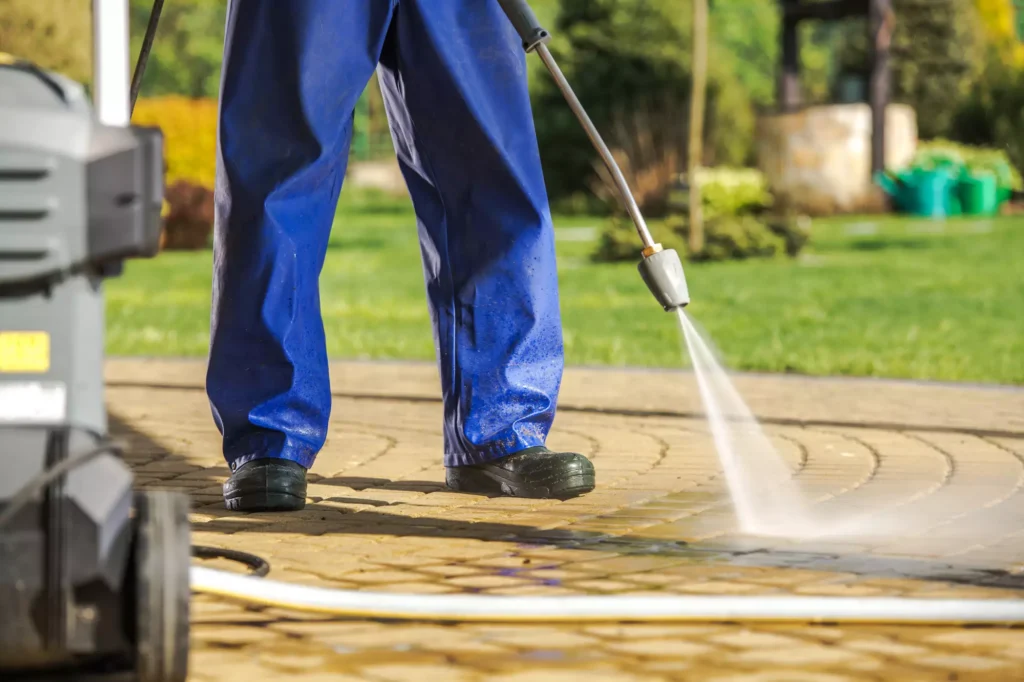
Your driveway and patio take a proper beating throughout the year, don’t they? Rain, snow, fallen leaves, oil spills from the car, muddy footprints, & all sorts of grime that seems to appear from nowhere. I’ve been maintaining outdoor spaces for over fifteen years now, and I reckon most homeowners drastically underestimate how much regular cleaning can extend the life of these surfaces.
The frequency question isn’t as straightforward as you might think. It depends on your specific circumstances, the materials involved, and frankly, how much you care about keeping up appearances in the neighbourhood!
Factors That Determine Your Cleaning Schedule
Location plays a massive role in how often you’ll need to break out the pressure washer. If you live near busy roads, expect more dirt and pollution to settle on your surfaces. I learned this the hard way when I moved from a quiet cul-de-sac to a house on a main thoroughfare — suddenly my cleaning routine doubled.
Weather patterns in your specific part of the UK matter tremendously. Areas prone to heavy rainfall might see faster algae growth, while regions with lots of wind will accumulate more debris. Then there’s the material factor: concrete driveways show dirt differently than block paving, and natural stone patios have entirely different maintenance needs than porcelain tiles.
Trees overhead create their own challenges. Lovely for shade & privacy, but they drop leaves, sap, and provide perfect conditions for moss to flourish. Plus, if you’ve got pets or frequently entertain outdoors, you’ll naturally need more frequent cleaning sessions.
Traffic levels also influence the schedule. A patio that only sees weekend barbecues requires less attention than a main driveway that accommodates multiple cars daily.
Seasonal Cleaning Patterns
Spring represents the perfect time for a thorough deep clean. After months of winter weather, salt residue, and accumulated grime, your outdoor surfaces need serious attention. I typically recommend a comprehensive clean in March or April, depending on when the weather starts cooperating.
Summer maintenance tends to be lighter but more frequent. Quick sweeps, occasional spot cleaning for spills, and maybe a monthly hose-down usually suffice during the warmer months. However, if you’re hosting garden parties or have children playing outside regularly, you might find yourself cleaning more often.
Autumn brings its own challenges with falling leaves and increased moisture. This season often requires the most vigilant approach because wet leaves can stain surfaces permanently if left too long. I’ve seen beautiful sandstone patios ruined by neglected leaf piles.
Winter cleaning feels counterintuitive, but it’s crucial for preventing long-term damage. Salt and grit used for de-icing can be particularly harsh on certain materials, so periodic washing helps prevent deterioration.
Material-Specific Requirements
Concrete driveways are relatively forgiving but benefit from quarterly deep cleans. Oil stains need immediate attention — I cannot stress this enough! — because they penetrate quickly and become nearly impossible to remove once set.
Block paving requires more frequent attention, perhaps every 6-8 weeks during active seasons. The joints between blocks can harbour weeds and moss, which not only look unsightly but can cause structural issues over time. Regular brushing and occasional re-sanding of joints keeps everything looking sharp.
Natural stone surfaces like sandstone, limestone, or slate need gentler but more consistent care. These materials can be damaged by harsh chemicals or excessive pressure washing. I typically suggest monthly light cleaning with appropriate stone cleaners rather than infrequent intensive sessions.
Porcelain and ceramic tiles are brilliant for low maintenance. They resist staining and usually only require occasional washing with soapy water. However, the grouting might need more attention, especially in high-traffic situations.
Signs That Indicate Immediate Cleaning
Sometimes your surfaces tell you exactly when they need attention, regardless of your planned schedule. Green or black staining usually indicates algae or moss growth, which can make surfaces dangerously slippery when wet.
Oil stains demand immediate action. Fresh spills can often be lifted with cat litter or sawdust, but once they’ve set, you’re looking at specialised degreasers or professional intervention. Trust me, I’ve spent hours trying to remove old oil stains that could have been dealt with in minutes when fresh.
Visible dirt accumulation, particularly in corners or along edges, suggests it’s time for a proper clean. When you start noticing the original colour disappearing under grime, you’ve probably waited too long already.
Slippery conditions represent a safety hazard that shouldn’t be ignored. If your patio becomes treacherous when wet, it needs cleaning immediately — not next weekend when the weather improves.
Preventive Measures That Reduce Cleaning Frequency
Regular sweeping might seem obvious, but it’s the single most effective way to reduce intensive cleaning needs. A quick sweep twice weekly prevents debris from settling and staining surfaces.
Sealing appropriate surfaces can dramatically extend cleaning intervals. Concrete and natural stone benefit enormously from quality sealers, which make subsequent cleaning easier & more effective. However, not all materials need sealing, and some can actually be damaged by inappropriate products.
Addressing spills immediately saves enormous effort later. Whether it’s dropped food from outdoor dining, pet accidents, or automotive fluids, quick action prevents permanent staining.
Installing proper drainage helps prevent water accumulation, which contributes to algae growth and general deterioration. Sometimes a simple adjustment to drainage patterns can transform a high-maintenance surface into something much more manageable.
Professional vs DIY Cleaning
Most routine cleaning can easily be handled with basic equipment: a stiff brush, garden hose, and appropriate cleaning products. However, pressure washers have become increasingly popular and can be highly effective when used correctly.
Professional cleaning services make sense for large surfaces, delicate materials, or when dealing with stubborn stains. They have access to commercial-grade equipment and specialised cleaning products that aren’t readily available to consumers. Plus, they understand how different materials respond to various treatments.
The cost consideration varies significantly across the UK. In London and the Southeast, professional cleaning might cost £5-15 per square metre, while northern regions often charge considerably less. For an average driveway, you’re probably looking at £150-400 for professional cleaning, depending on size and complexity.
DIY cleaning appeals to many homeowners, but there are definitely pitfalls to avoid. Pressure washers can damage surfaces if used incorrectly, and some cleaning chemicals can cause discolouration or deterioration. Always test any new product on an inconspicuous spot first!
Creating Your Personal Maintenance Schedule
Start by assessing your specific situation honestly. Consider your location, surface materials, usage patterns, and personal standards. There’s no point creating an ambitious schedule you’ll never follow.
A realistic approach for most UK homes involves a thorough spring clean, monthly maintenance during summer, increased attention during autumn leaf-fall, and periodic winter checks for salt damage. However, high-traffic driveways or entertaining-focused patios might need more frequent attention.
Keep a simple log of what you’ve done and when. This helps identify patterns and adjust your schedule based on actual results rather than guesswork. I started doing this years ago and discovered I was over-cleaning some surfaces while neglecting others.
Flexibility remains crucial because our unpredictable British weather doesn’t follow neat schedules. Sometimes you’ll need to clean earlier than planned; other times you can safely extend intervals.
The Bottom Line
Most driveways and patios benefit from quarterly deep cleaning with monthly light maintenance during active seasons. However, your specific circumstances — location, materials, usage, and personal preferences — ultimately determine the optimal frequency.
Regular attention prevents most serious problems and keeps cleaning manageable. Neglect leads to expensive repairs or replacement, not to mention the frustration of dealing with stubborn stains that could have been easily prevented.
Start with a conservative approach and adjust based on how your surfaces respond. It’s better to clean slightly more often than necessary than to let problems develop that require professional intervention or, worse, surface replacement.